 EN
EN  Romana
Elstein Ceramic Infrared Heaters | Heating Element Store
Elstein Ceramic Infrared Heaters | Heating Element Store
Explore the Elstein range of ceramic infrared heaters, IR emitters, heating systems and accessories for thermoforming, drying, foil heating, plastics processing, food applications and industrial heating. Request availability, technical data and a recommendation for your application.
Elstein Ceramic Infrared Heaters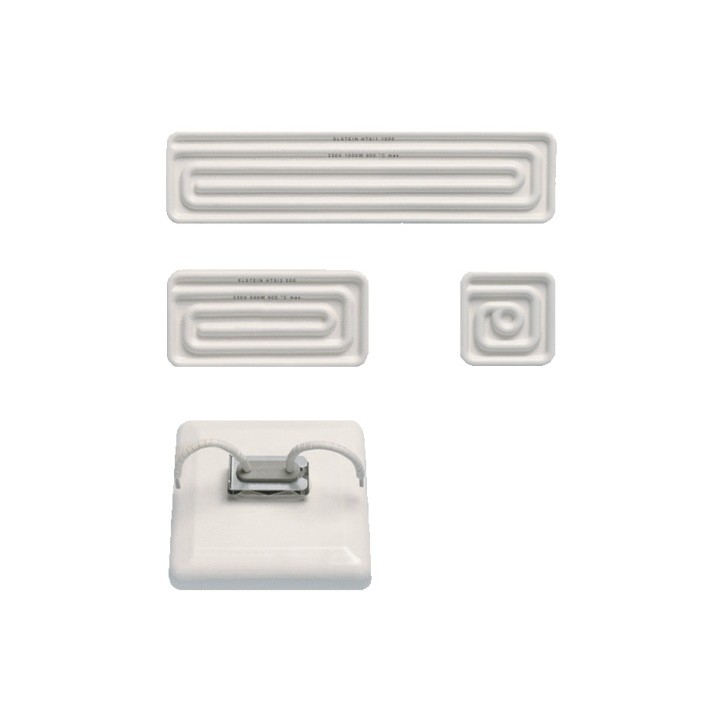
Heating Element Store offers the Elstein range of ceramic infrared heaters, IR emitters and complete radiant heating systems. Elstein-Werk was founded in 1950 in Northeim, Germany, and specializes in the development and production of ceramic heaters for heating and drying processes.
Infrared heating transfers energy to the material without direct contact. Depending on the application, the heater geometry, wattage, voltage and thermal response can be selected to achieve controlled and uniform heating adapted to the production cycle.
Elstein heater range available through Heating Element Store
Panel heaters
-
HTS – high-temperature ceramic infrared heaters with integrated thermal insulation. Depending on the model, they operate at temperatures of up to 860 °C and cover standard outputs from 60 W to 1,000 W.
-
SHTS – ceramic heaters for high-output applications. Standard versions cover 300 W to 1,200 W and are designed for operating temperatures of up to 860 °C.
-
HSR – fast-response ceramic infrared panel heaters for cyclic processes, frequent tool changes and applications where fast cooling is important. Operating temperatures can reach up to 900 °C, with standard outputs from 125 W to 1,000 W.
-
FSF – low-profile panel heaters for installations with limited mounting space. Standard versions cover 60 W to 1,000 W and operating temperatures of up to 750 °C.
-
FSR – universal concave ceramic infrared emitters for heating surfaces with different geometries. Standard versions cover 60 W to 1,000 W and operating temperatures of up to 750 °C.
Rod heaters
-
HLS – high-performance ceramic IR rod heaters for high power and high-temperature applications. They can operate at temperatures of up to 1,000 °C; standard versions include 750 W at 230 V and 375 W at 115 V.
-
IRS – ceramic rod heaters for linear heating, including preheating of edges and narrow areas. Standard versions cover 200–600 W at 230 V.
-
SBM – elongated oval ceramic rod heaters for linear heating or low-clearance installations. Standard versions cover 200–400 W.
E27 screw-in ceramic heaters
-
IOT – ceramic infrared emitters with a standard E27 screw base. These dark emitters produce no visible light and can be used individually or in groups. Depending on the model, versions are available at 60 W, 100 W, 150 W and 250 W at 230 V.
Complete infrared heating systems
-
BSI – stainless-steel heating panels equipped with HTS or HSR ceramic infrared heaters.
-
EBI – assembled linear systems with stainless-steel housings, available in several standard lengths and configurable with different Elstein heater types and outputs.
-
EBF – anodized-aluminum profile systems suitable for flat or curved heating surfaces and different installation geometries.
Elstein special versions
For applications that cannot be solved with a standard configuration, special versions can be requested with regard to shape, geometry, dimensions, voltage, output, colour or electrical connection. Send us the application data and we will check the suitable option with you.
Elstein accessories and components
The Elstein range also includes complementary components for building and controlling an IR heating system, such as reflectors, mounting sheets, connection clamps and terminals, temperature-control components, switching units, fuse holders, fuses and high-temperature wiring.
Applications
Depending on the model and system configuration, Elstein ceramic infrared heaters can be used for:
-
plastics thermoforming and blow moulding;
-
foil heating and preheating;
-
drying and surface treatment;
-
conveyor heating and industrial furnace construction;
-
soldering and other surface-treatment processes;
-
food warming and catering equipment;
-
incubators, animal breeding and terrariums;
-
infrared saunas and other radiant-heating applications;
-
special equipment requiring a defined geometry, output or temperature.
How to select the right model
For a correct recommendation, please provide the following information:
-
the material or product to be heated;
-
heating area and distance;
-
target temperature and the maximum permitted material temperature;
-
cycle time and the need for fast response;
-
available voltage and required output;
-
mounting dimensions and available space;
-
temperature-control method and thermocouple requirements;
-
quantity of heaters and system geometry.
The final parameters depend on the Elstein series, distance from the material, reflector arrangement and actual process conditions. For a new project or a replacement, send us the drawing, photographs and product label data. We will check the suitable option and provide the available technical information and quotation.
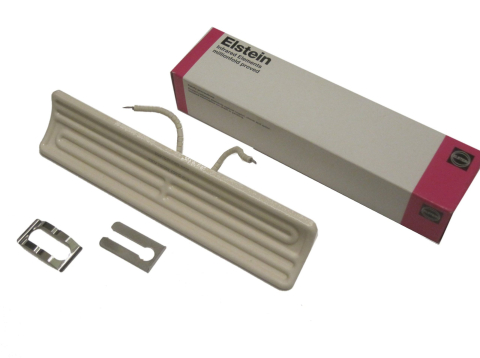
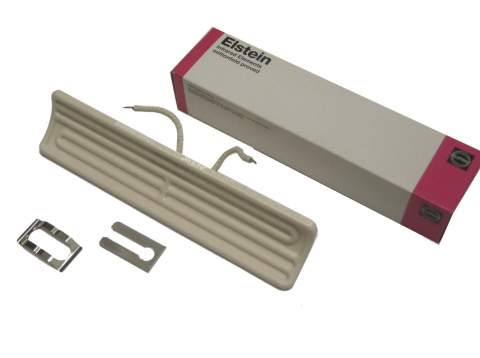
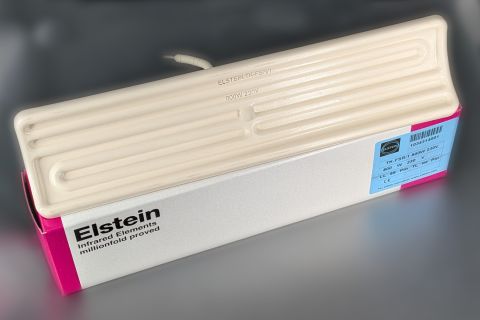
Elstein FSR/1 600W 230V Ceramic Infrared Heater for Packaging and Plastics
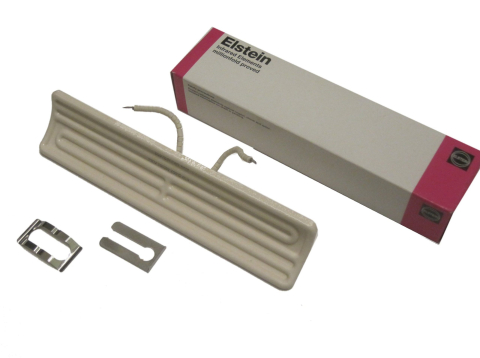
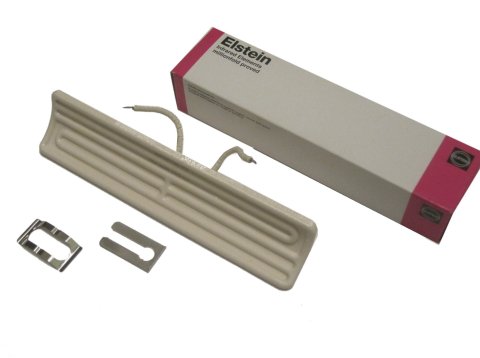
Elstein FSR/1 1000W 230V Ceramic Infrared Heater - Maximum Standard Output
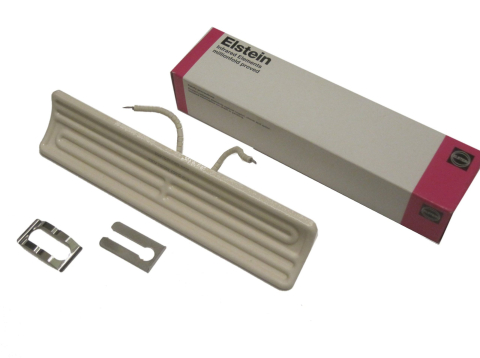
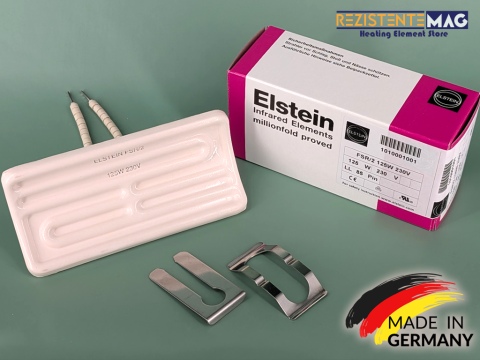
Elstein FSR/2 200W - 230V Ceramic Infrared Heater for Controlled Heating
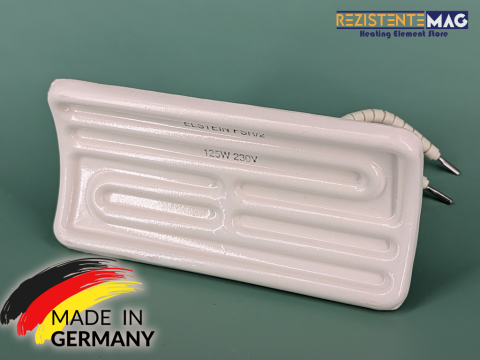
Elstein FSR/2 300W - Ceramic IR Heater 230V for Machinery and Drying
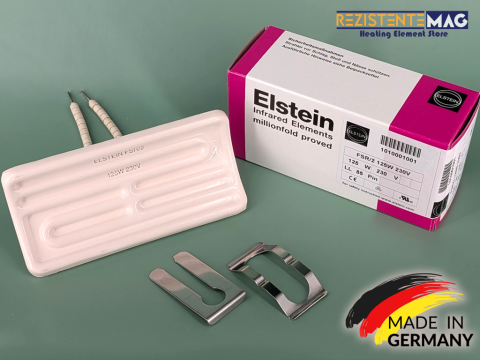
Elstein FSR/2 400W - 230V Ceramic Infrared Heater for Production and Thermoforming
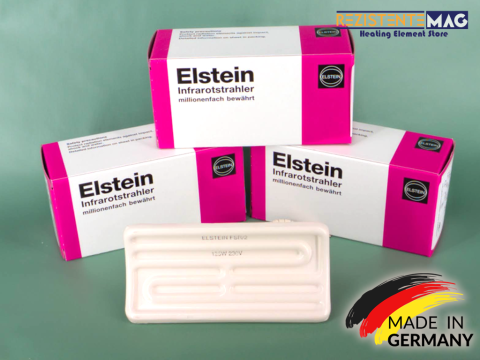
Elstein FSR/2 500W - High-Output 230V Ceramic Infrared Process Heater
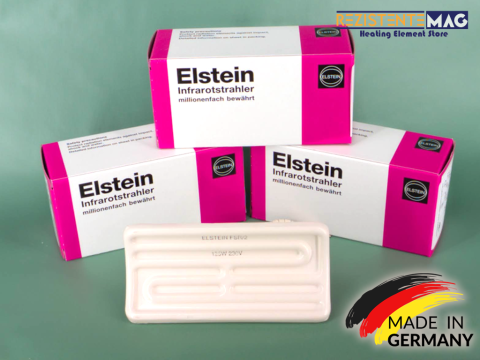
Elstein FSR/2 125W 230V - ceramic infrared heater for controlled low-power heating
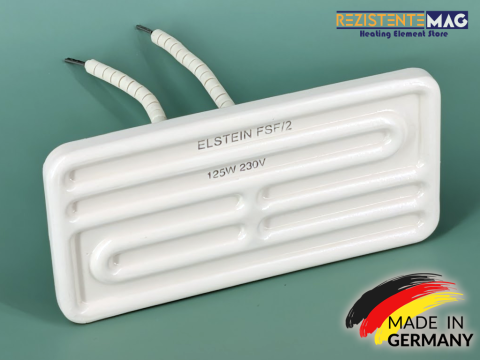
Elstein FSF/2 125W - Compact Ceramic Infrared Heater, 230V, Made in Germany
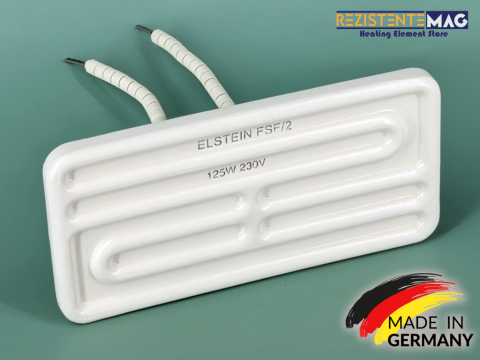
Elstein FSF/2 200W - Low-Profile Ceramic Infrared Heater for Machinery, 230V
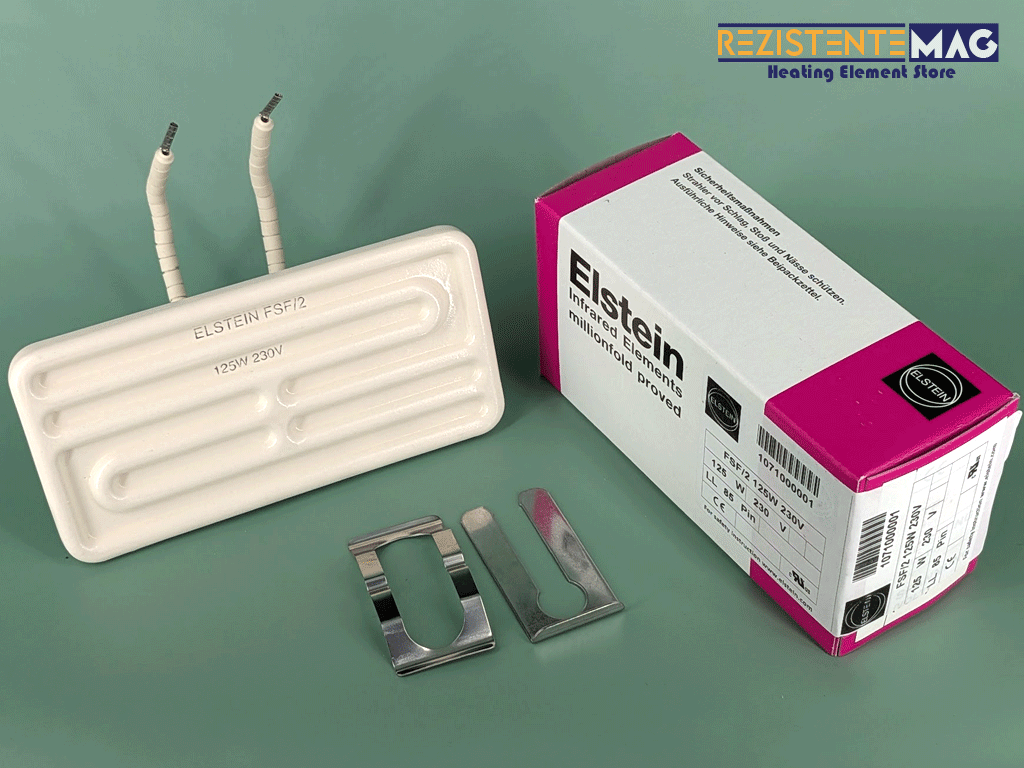
Elstein FSF/2 300W - Ceramic Infrared Heater for Production and Thermoforming, 230V
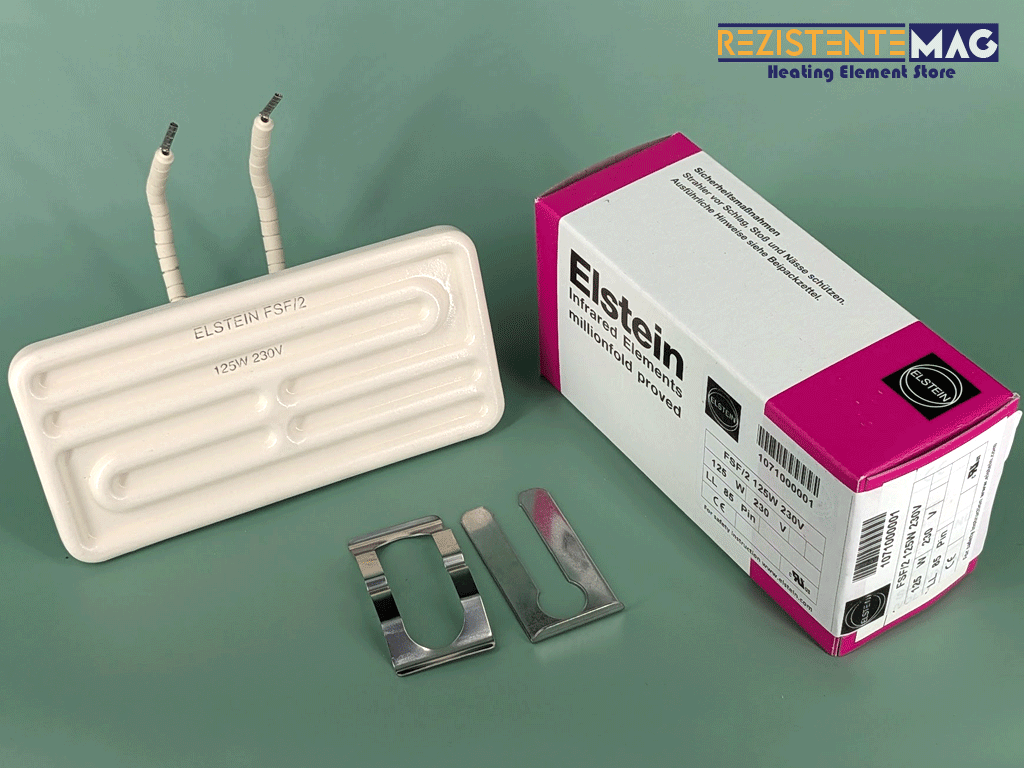
Elstein FSF/2 400W - High-Output Ceramic Infrared Heater for Industrial Processes, 230V
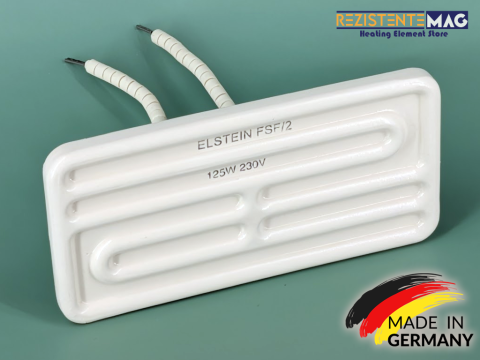
Elstein FSF/2 500W - Maximum-Power Compact Ceramic Infrared Heater, 230V
Elstein TK-FSR/1 650W 230V Ceramic Infrared Heater with Type K Thermocouple
Elstein TK-FSR/1 800W 230V Ceramic Infrared Heater with Thermocouple
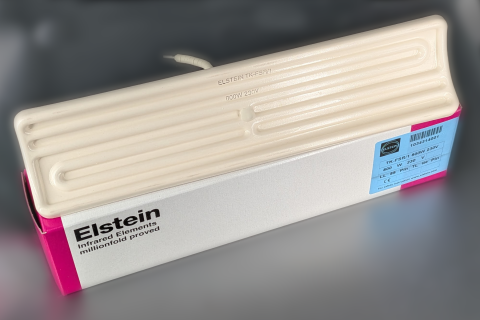
Elstein TK-FSR/1 1000W 230V Ceramic Infrared Heater with Thermocouple
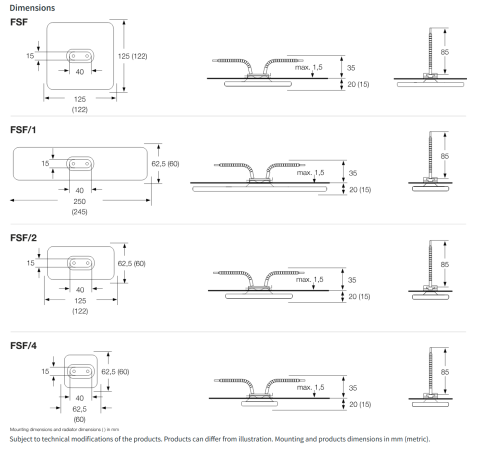
Elstein FSF 400W 230V Ceramic Infrared Radiator, 122x122 mm, Made in Germany
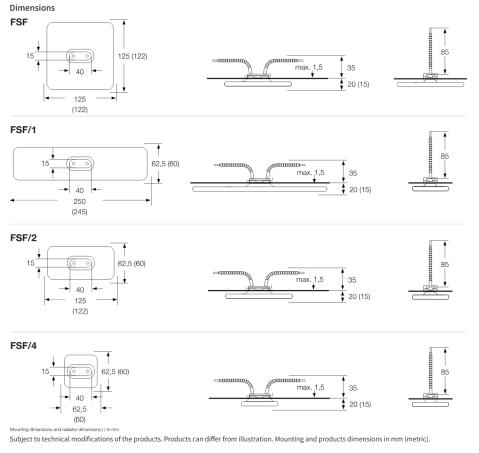
Elstein FSF 600W 230V Ceramic Infrared Radiator, 122x122 mm, for Plastics and Production
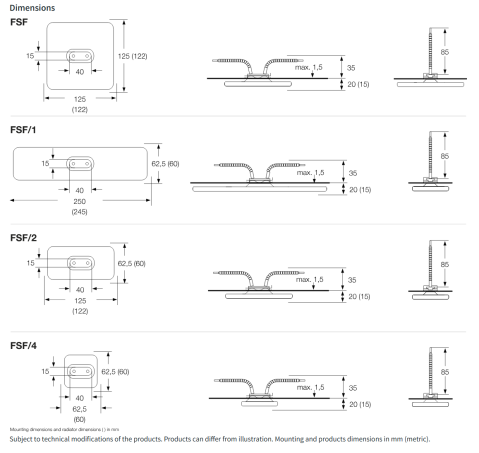
Elstein FSF 650W 230V Ceramic Infrared Radiator, 122x122 mm, Replacement and Retrofit
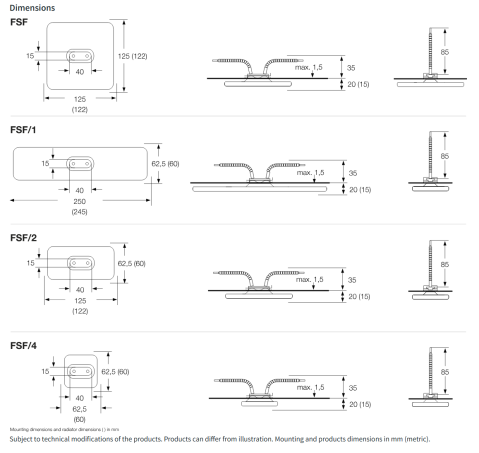
Elstein FSF 800W 230V Ceramic Infrared Radiator, 122x122 mm, High Output for Machinery
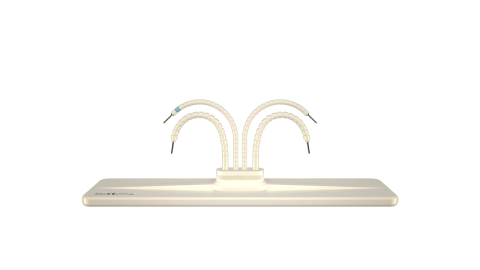
Elstein FSF/1 250W 230V Ceramic Infrared Heater - Low Profile, Germany
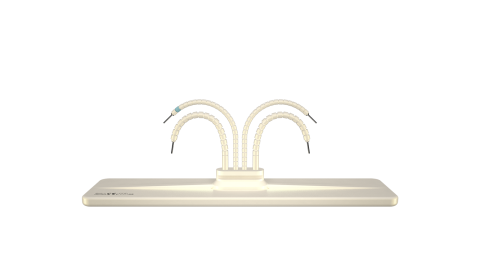
Elstein FSF/1 400W 230V Ceramic Infrared Heater - Machinery & Packaging
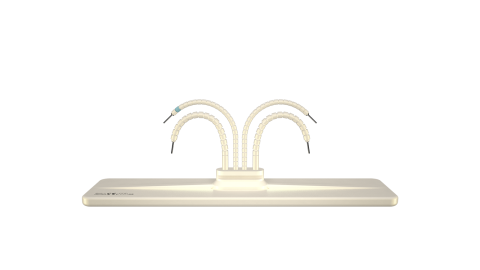
Elstein FSF/1 600W 230V Ceramic Infrared Heater - Plastics & Thermoforming
Elstein FSF/1 650W 230V Ceramic Infrared Heater - Special Wattage Replacement
Elstein FSF/1 800W 230V Ceramic Infrared Heater - High Power Production