
 EN
EN  Romana
Applications of electric heating elements
Display: 1-24 from 203 products
Filters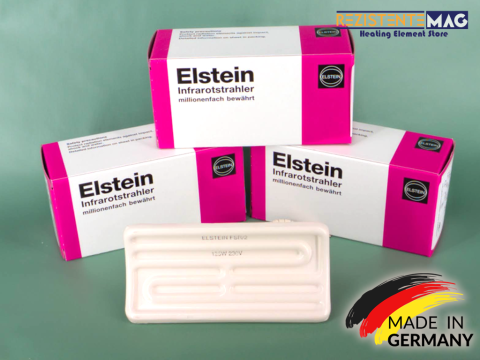
Elstein FSR/2 500W - High-Output 230V Ceramic Infrared Process Heater
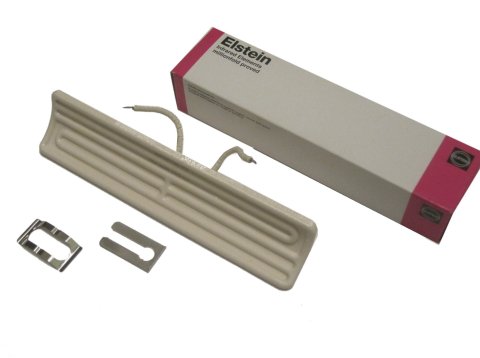
Elstein FSR/1 1000W 230V Ceramic Infrared Heater - Maximum Standard Output
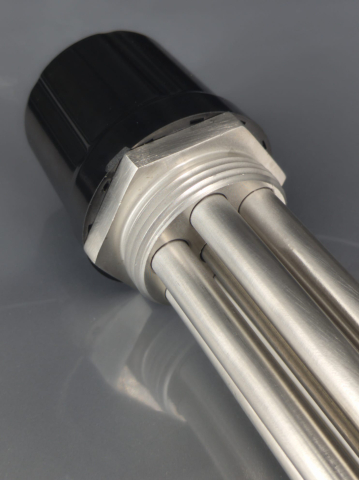
1.5 Inch Thread - Ø10 mm Seamless Tube - Stainless Boiler Heating Element 300 mm
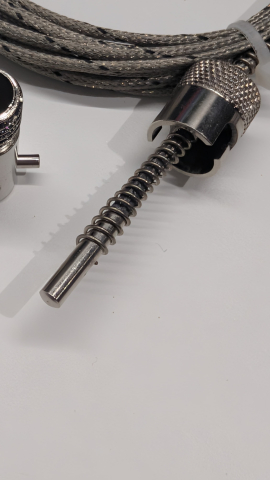
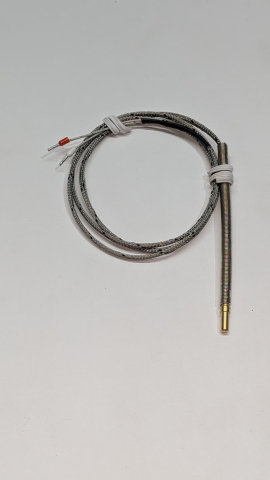
Custom Type J Thermocouple, Ø4 mm, 3 m cable – Manufactured for RezistenteMAG
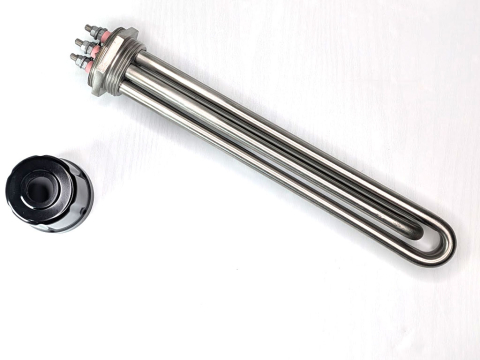
1.5 Inch Thread - 4500W - Stainless Boiler Heater 290 mm - Ø10 mm Seamless Tube, Made in Europe
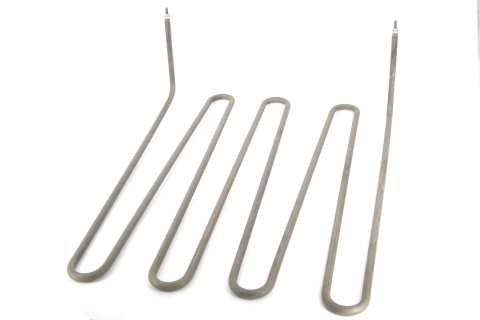
2250W 230V Grill and Oven Heating Element, 425 x 300 mm, 100 mm Terminals
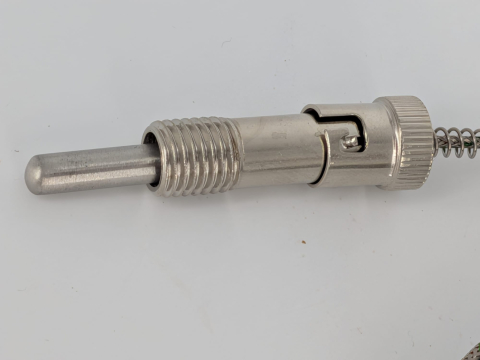
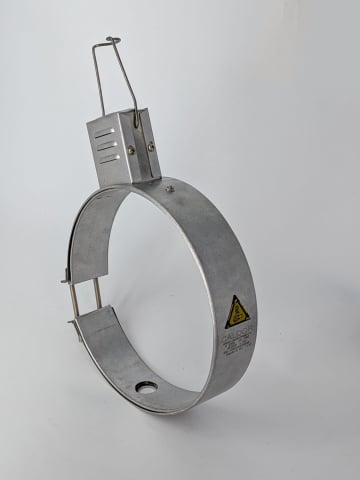
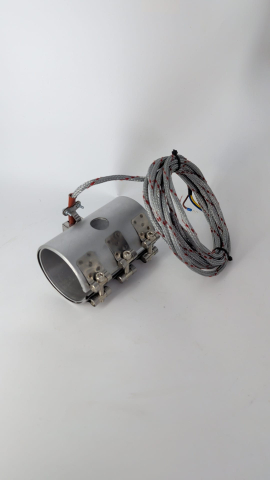
Mica Band Heater Ø220x50 250V 750W with European Plug
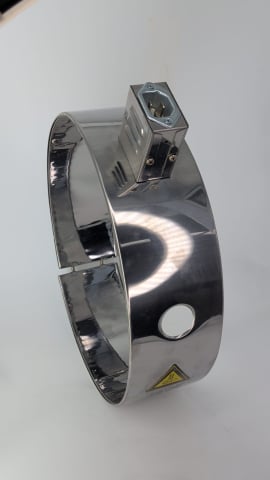
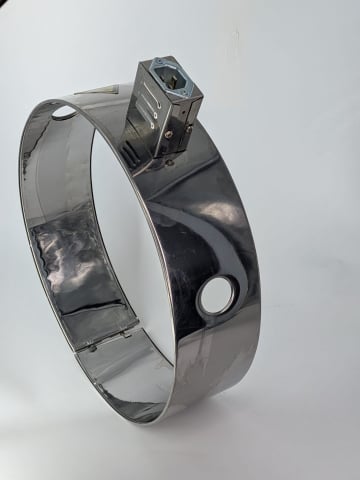
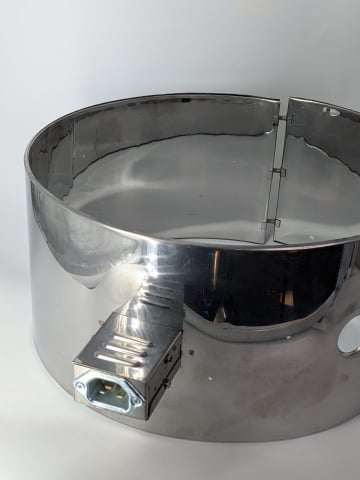
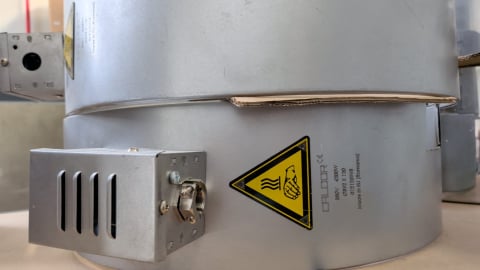
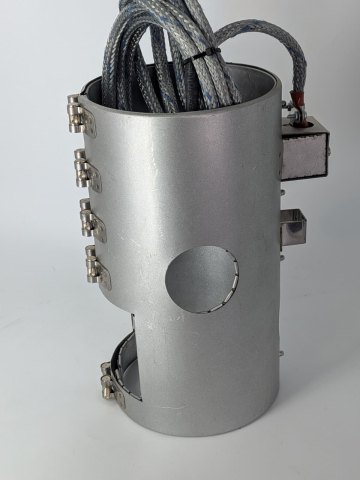
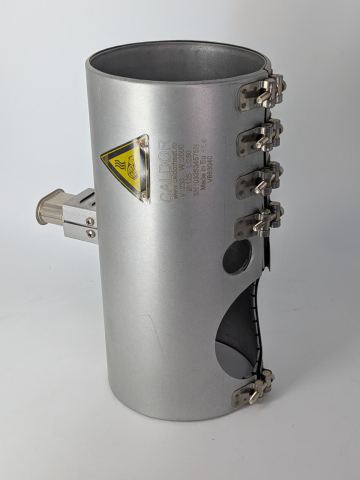
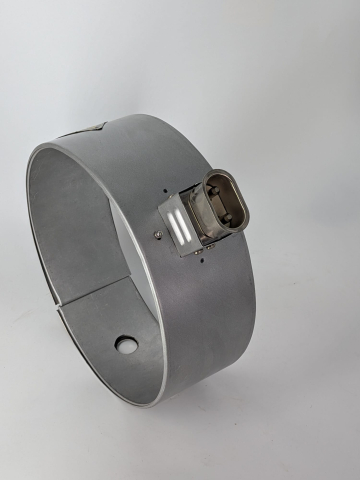
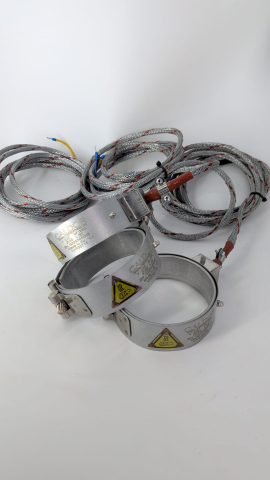
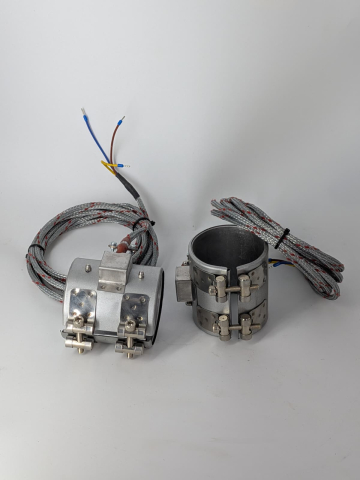
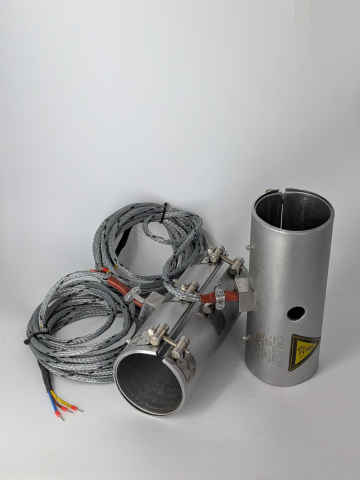

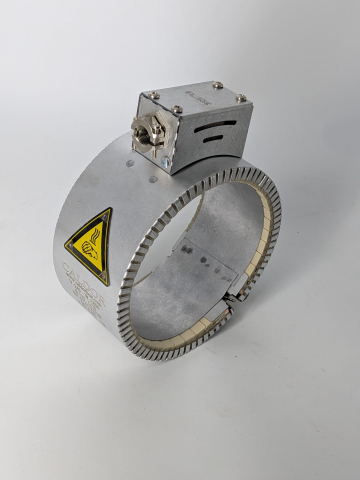
Ceramic Band Heater 130x78 240V 1800W
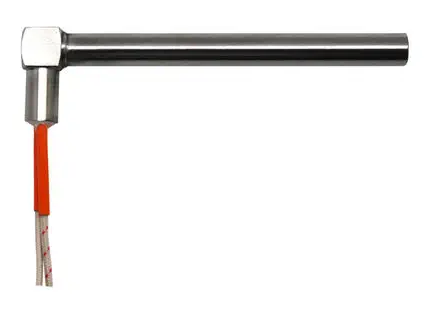
Cartridge heater 10x50 24V 55W L type Teflon cable 1m for injection molding systems
Electric Heating Element Applications for Industrial and Professional Use
Electric heating elements are used in a wide range of machines, equipment and processes where heat must be generated, controlled and maintained at a stable level. Depending on the application, the system may use tubular heaters, cartridge heaters, mica or ceramic band heaters, flat heaters, air heaters, immersion heaters or custom-made heating elements.
RezistenteMAG provides products for industrial, commercial and technical applications, including the heating of air, water, oil, moulds, barrels, nozzles, tanks, ovens and machine components. Correct selection depends on voltage, power, operating temperature, dimensions, material, heating medium and temperature-control requirements.
Electric Heaters for the Plastics Industry
In plastics processing, electric heaters are used on barrels, nozzles, moulds, manifolds and hot-runner systems. Injection moulding machines, extruders and blow-moulding equipment may use mica band heaters, ceramic band heaters, cartridge heaters, nozzle heaters and thermocouples for temperature measurement.
Uniform heat distribution supports stable processing conditions and controlled material flow. Heater dimensions, installed power and sensor position must be selected according to the machine and its actual operating parameters.
Heating Elements for Moulds, Presses and Metal Processing
Cartridge heaters, flat heaters and custom heating elements can be integrated into moulds, presses, metal plates, heated jaws and industrial tooling. These solutions are suitable when thermal energy must be transferred directly into a metal component or working surface.
Important selection parameters include diameter or external dimensions, heated length, voltage, wattage, watt density, cable type and maximum operating temperature.
Electric Heaters for Air and Gas
Air and gas can be heated with tubular heaters, finned heating elements, electric duct heaters and heating assemblies installed in pipes or ventilation channels. Typical applications include drying systems, ventilation equipment, industrial ovens, cabins, packaging machines and production lines.
Airflow, inlet and outlet temperatures, air velocity, required heating power and overtemperature protection must be considered during product selection.
Immersion Heaters for Water, Oil and Other Liquids
Immersion heaters and threaded or flanged heating elements are used to heat water, oil and other compatible liquids. They can be installed in boilers, tanks, process baths, washing equipment and industrial temperature-maintenance systems.
The sheath material must be selected according to the liquid, operating temperature, pressure and corrosion risk. Compatibility between the heating element and the heated medium must be verified for every application.
Heating Applications for Food Processing and HoReCa
In food processing, restaurants, hotels and professional kitchens, electric heating elements are used in bain-marie equipment, kettles, ovens, grills, dishwashers, heated counters and other thermal-processing appliances.
Heater shape, construction material, wattage, supply voltage, mounting position and cleaning requirements are important when selecting a replacement or new heating element.
Laboratory and Special Equipment Heating
Laboratory equipment, testing devices, electric furnaces, hot plates and pilot installations require heating solutions adapted to the temperature range and process accuracy. Depending on the equipment design, cartridge heaters, tubular heaters, ceramic elements, flat heaters and temperature sensors may be used.
Temperature Measurement and Control
An efficient electric heating system requires accurate temperature measurement and control. Type J and Type K thermocouples, PT100 sensors, temperature controllers and solid-state relays can be combined with electric heaters to automate the heating process.
Sensor position and controller settings directly influence temperature stability. Sensor compatibility, measuring range and controller input type must be checked before installation.
How to Select the Correct Electric Heating Element
The following technical information is recommended when identifying or ordering an electric heater:
- equipment type and intended application;
- supply voltage and required heating power;
- heater dimensions and construction shape;
- normal and maximum operating temperature;
- material or medium to be heated;
- electrical connection type and cable length;
- temperature sensor and control-system type;
- mounting conditions and required protection level.
When a standard product does not match the equipment, a custom electric heating element may be required. Complete technical information reduces the risk of selecting an unsuitable wattage, shape, material or connection configuration.
Electric Heating Solutions for Different Industries
RezistenteMAG provides electric heating elements, temperature sensors, controllers and accessories for repairs, maintenance, machine upgrades and new industrial projects. Explore the available categories and select the most suitable solution according to the application, technical specifications and actual operating conditions.