
 EN
EN  Romana
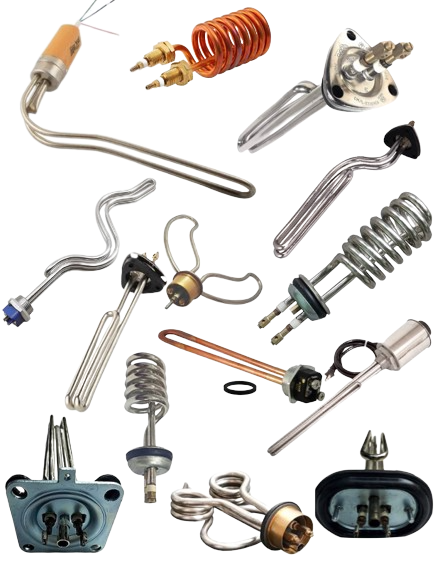
How tubular heaters are made: from raw materials to X-ray inspection and electrical testing
When customers search online for tubular heaters, they usually want to know three things: how reliable they are, how long they last, and whether they are safe. Many buyers compare only power, voltage, dimensions and price, but the real difference between a standard product and a high-quality one starts much earlier, inside the manufacturing process itself.
At RezistenteMag.ro, a good tubular heater is not simply a product that gets hot. It must deliver stable performance, proper insulation, long service life and consistent quality from one unit to the next. In technical language, these products are also known as armoured heaters or sheathed heating elements, but for most customers and for Google search, the clearest terms are tubular heaters and tubular heating elements.
Below, we explain in a simple and practical way how a tubular heater is manufactured step by step.
What are tubular heaters?
Tubular heaters are electric heating elements used in a wide range of applications, including industrial machinery, water tanks, boilers, process heating systems, air heaters, food equipment, packaging machinery, plastic processing lines and many other systems that require controlled heat.
Inside the heater there is a resistance wire, insulated with a compact mineral material and protected by a metal sheath. This construction makes tubular heating elements versatile, durable and suitable for demanding operating environments.
1. The process starts with raw material selection
The final quality of a tubular heater depends heavily on the materials used to manufacture it. If the raw materials are poor, the finished product will never deliver long-term reliability, even if it looks acceptable from the outside.
At this stage, the manufacturer selects:
- the metal sheath
- the resistance wire
- the insulation material
- the terminals and connection parts
- the sealing and fixing components
Depending on the application, the sheath may be made from stainless steel, brass or other suitable materials. The correct material choice depends on temperature, humidity, chemical exposure, vibration, mounting method and the medium in which the heater will operate.
2. Technical design based on the real application
Once the materials are selected, the next stage is technical design. This is where the actual product specifications are defined: voltage, wattage, heated length, non-heated sections, diameter, final shape, terminal type and operating conditions.
A well-designed tubular heater should never be based only on a sketch or a rough drawing. It must be developed around the real application: where it will be installed, what temperature it needs to reach, how often it will cycle and what environment it will face in service.
3. Positioning the resistance wire inside the heater
The resistance wire is one of the most important internal components of a tubular heating element. It must be positioned correctly to ensure even heat distribution across the active heating zone.
If the wire is not centred correctly or if the internal structure is inconsistent, the product may suffer from:
- uneven heating
- hot spots
- reduced service life
- insulation losses
- premature failure
4. Filling with insulation and internal compaction
After the internal assembly is prepared, the heater is filled with a special insulation material and then compacted. This is one of the most critical stages in the entire manufacturing process because it affects both heat transfer and electrical safety.
Correct compaction helps improve:
- heat transfer efficiency
- internal stability
- mechanical strength
- electrical insulation performance
- long-term consistency
In simple terms, this is one of the key stages that separates a high-quality industrial heating element from a low-cost product made only to meet a price target.
5. Calibration to final diameter and tolerances
After compaction, the heater passes through calibration processes to achieve its final diameter and dimensional tolerances. This step is essential because the product must fit properly into the customer’s equipment or process system.
A well-calibrated tubular heater means easier installation, more consistent performance and a more professional finished product.
6. Bending and final shaping
Not all tubular heaters remain straight. Depending on the application, they may be formed into U shapes, M shapes, spirals, circular designs or custom geometries based on customer drawings.
This stage must be carried out carefully. Poor bending can damage the internal structure and reduce both performance and service life. A properly formed heater keeps its internal integrity while matching the final installation requirements.
7. Sealing, closing and welding
After shaping, the product moves into the closing and sealing stage. This is especially important for heaters operating in humid conditions, water, oil, outdoor environments or other demanding applications.
Proper sealing helps provide:
- better protection against moisture ingress
- protection for the internal insulation
- longer service life
- improved electrical safety
8. Terminal assembly and electrical connections
The terminals form the connection point between the heater and the customer’s electrical system. The quality of this stage matters greatly, because weak connections can lead to local overheating, unstable contact or early failure in operation.
For that reason, terminal assembly must be matched to the application, the mounting space and the electrical load conditions of the final system.
9. Visual inspection and dimensional control
Before electrical testing begins, each product should be checked visually and dimensionally. This includes length, diameter, heated section, terminal position, bending geometry and general workmanship.
This stage makes it possible to detect production deviations quickly before the product moves to final testing.
10. X-ray inspection
One of the most valuable modern quality control methods is X-ray inspection. This allows the internal structure of the heater to be checked without cutting or destroying the product.
X-ray inspection can reveal hidden defects, internal inconsistencies or positioning problems that are impossible to detect from the outside. For products where reliability matters, this step adds real value and a higher level of quality assurance.
11. Electrical testing and insulation checks
After the mechanical inspections are completed, the heater goes through electrical testing. At this stage, the manufacturer verifies whether the product meets its designed parameters and whether the insulation level is safe and stable.
Typical checks may include:
- electrical continuity
- resistance value
- insulation to sheath
- behaviour under power
- overall stability of the product
12. Leakage current testing
Leakage current testing is one of the most important safety checks for any electric heating element. This test shows whether there are any unwanted electrical losses and helps confirm that the heater is safe for use.
This stage can detect problems such as:
- insufficient insulation
- internal moisture
- production defects
- assembly issues
For the customer, this means improved safety and lower operational risk. For the manufacturer, it is a clear sign of serious quality control.
13. Final functional checks
At the end of the process, the tubular heater goes through final checks before shipping. Depending on the product type, this may include functional tests, connection verification and confirmation of the final technical parameters.
Only after these steps is the product considered ready for delivery.
Why the manufacturing process matters
At first glance, two tubular heaters may look very similar. They may have the same size, the same voltage and the same wattage. In real operation, however, the difference appears quickly. A correctly manufactured heater will last longer, perform more consistently and offer a higher level of electrical safety.
A high-quality tubular heating element offers:
- longer service life
- better heat transfer
- improved electrical safety
- lower risk of failure
- lower long-term operating costs
RezistenteMag.ro - focus on real quality
At RezistenteMag.ro, the focus is not only on selling heating elements, but on supplying products that are properly designed, carefully manufactured and thoroughly tested. From raw material selection to X-ray inspection and leakage current testing, every stage contributes to a safer and more reliable final product.
If you need tubular heaters for water, air, oil or industrial process applications, it is important to choose products that are manufactured correctly and tested seriously, not just products that look good in a catalogue photo.
Conclusion
The manufacture of electric tubular heaters requires precision, experience and control at every stage. Final quality is built step by step through material selection, engineering design, compaction, shaping, sealing, X-ray inspection, insulation checks and leakage current testing.
A reliable product starts with a reliable production process. And a dependable tubular heater is always the result of careful manufacturing, technical discipline and real quality control.