
 EN
EN  Romana
Cheap Heating Elements: Invisible Risk, Visible Cost
Heating elements—commonly known as electric resistances—are critical components embedded in almost every aspect of modern life, yet they remain largely unnoticed. From heating water in washing machines to enabling industrial production in plastics, food processing, and pharmaceuticals, they operate silently in the background.
Precisely because they are “out of sight,” they are often underestimated—and too frequently selected based on one flawed criterion: the lowest price.
But what does a “cheap” heating element mean?
Same Outside, Different Inside
At first glance, two heating elements may look identical: same size, same shape, same appearance. However, the real differences lie inside—and these determine performance, safety, and lifespan.
In a high-quality heating element:
- Sheath thickness is typically 0.9 – 1 mm, ensuring mechanical and thermal durability.
- The resistance wire is made from IEC-compliant alloys such as NiCr or FeCrAl.
- Magnesium oxide (MgO) insulation is properly compacted for optimal heat transfer and electrical safety.
In low-cost alternatives:
- Sheath thickness drops to 0.5 – 0.6 mm, reducing durability.
- Inferior or non-standard alloys are used.
- Insulation quality and manufacturing precision are compromised.
These differences are invisible—but their consequences are not.
Why Such a Big Price Difference?
A common question: how can one heating element cost 4–5 times more than another?
The answer is straightforward: quality cannot be manufactured at minimum cost.
A product sold at €100 cannot realistically be produced at €20 without significant compromises. The price difference reflects:
- material quality
- manufacturing standards
- quality control processes
- actual service life
The Hidden Costs of Cheap Heating Elements
Choosing a low-cost heating element often leads to higher long-term expenses:
- Increased energy consumption
Poor heat distribution reduces efficiency. - Short lifespan
Low-grade materials fail under thermal cycling and harsh environments. - Frequent failures
Each breakdown means service costs and operational downtime. - Fire risk
Especially critical in environments with flammable materials. - Electric shock hazard
Compromised insulation reduces electrical safety.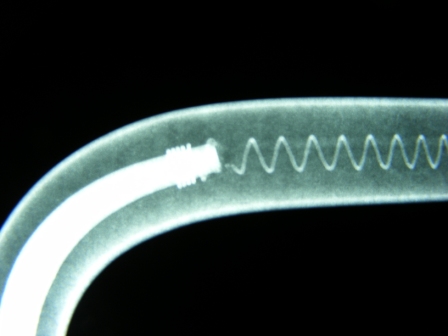
In Industrial Applications, the Impact Is Greater
In industrial environments, where heating elements operate continuously, the consequences are amplified.
A high-quality heating element ensures:
- uniform heat distribution
- optimal surface contact
- higher energy efficiency
Even small efficiency gains translate into kilowatt-level savings per hour, resulting in significant annual cost reductions. More importantly, machine performance and final product quality depend directly on heating stability.
Industries such as:
- plastics processing
- food production
- pharmaceutical manufacturing
- metal processing
cannot afford compromises in heating systems.
The Right Question: Not “How Cheap?”, but “How Suitable?”
Selecting a heating element should not be about finding the lowest price—but about choosing the right solution for the application.
Key factors include:
- type of medium (water, oil, air, chemicals)
- operating temperature
- duty cycle
- mechanical and installation conditions
A wrong choice today can lead to:
- higher long-term costs
- unplanned downtime
- safety risks
Conclusion
Heating elements are often the “heart” of a system. Even if they are not visible, their role is critical.
Choosing a cheap heating element often means accepting:
- reduced performance
- increased risk
- higher long-term costs
Invisible does not mean insignificant.
Choose correctly—not just cheaply.